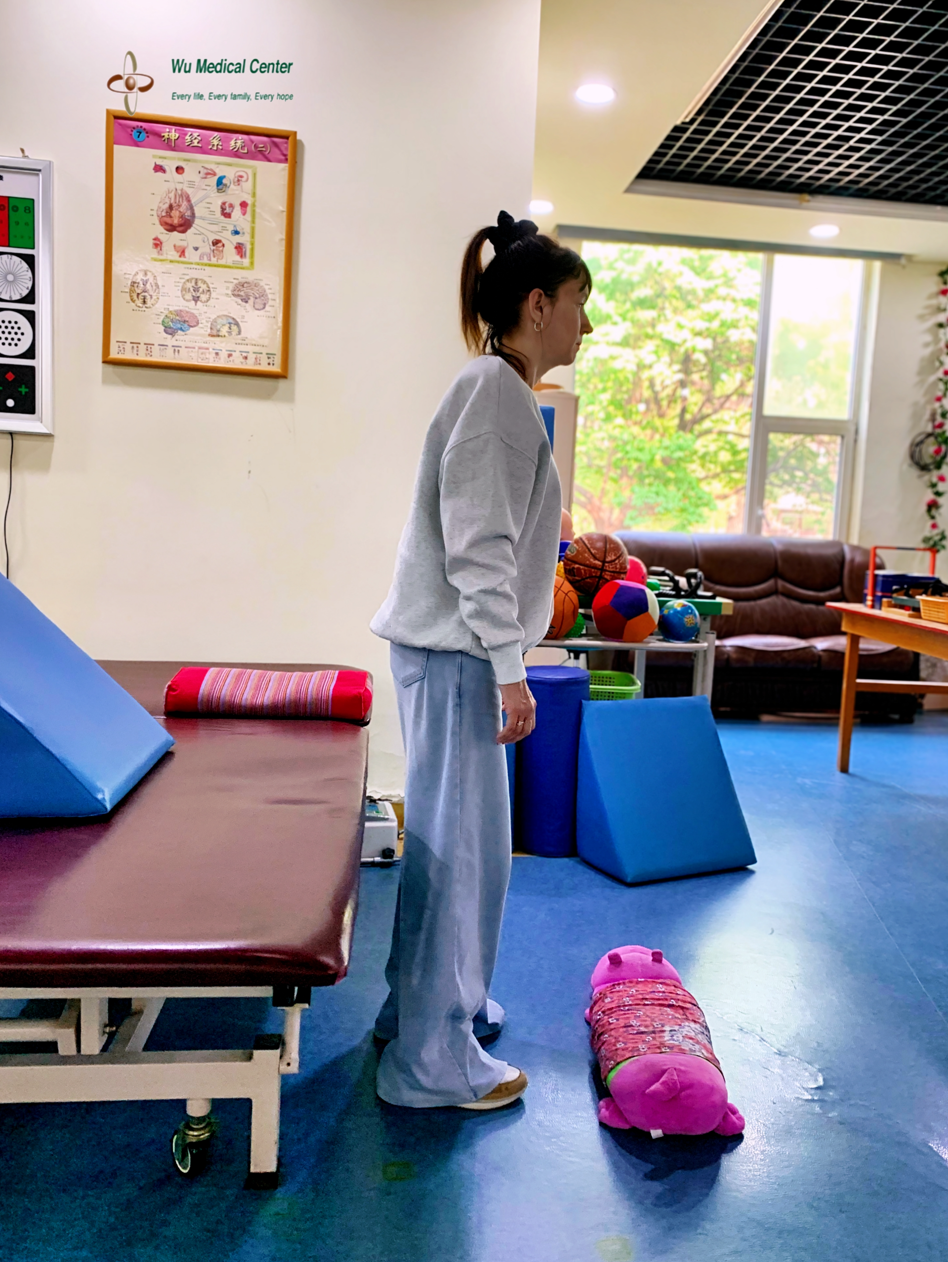
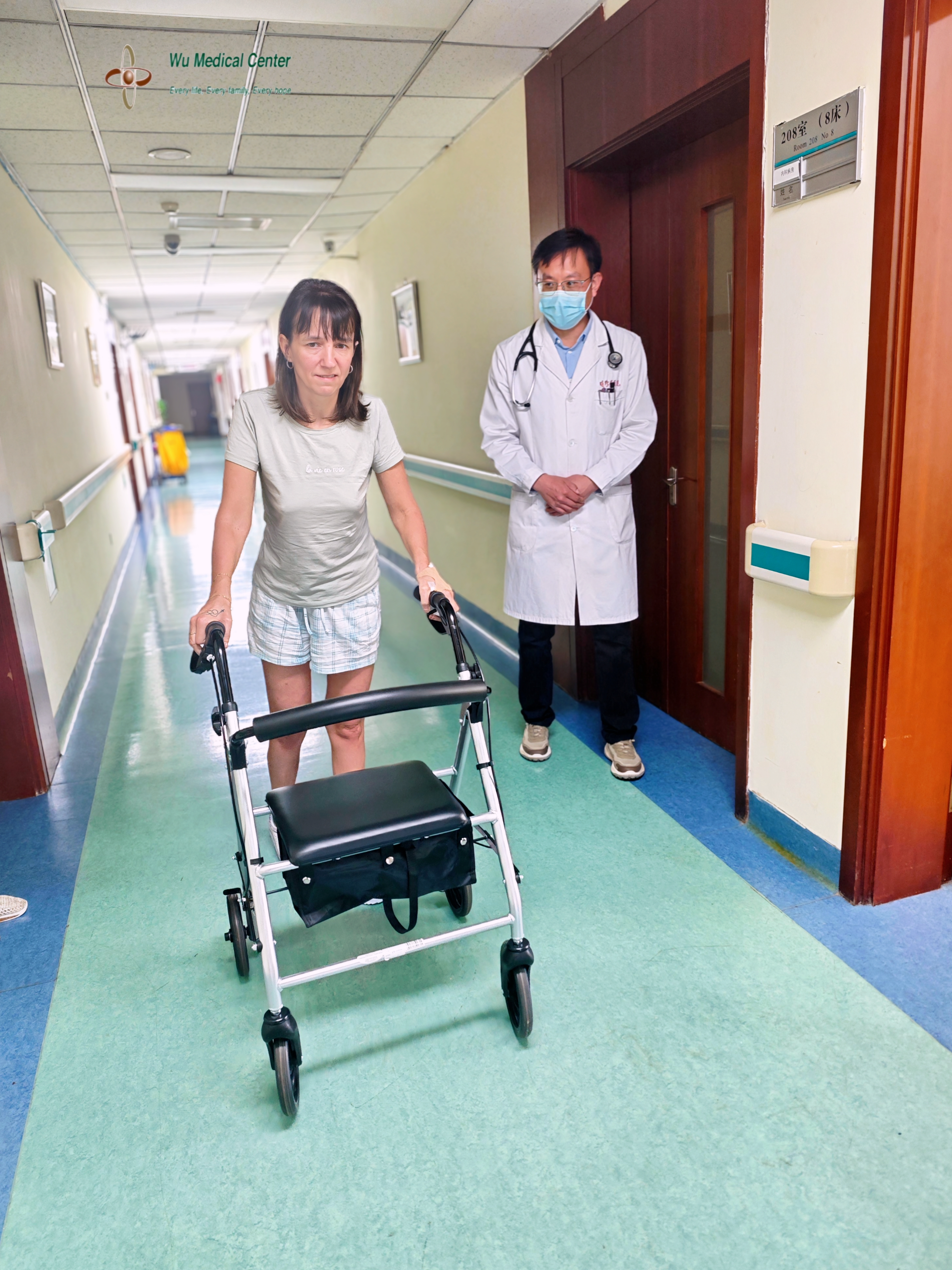
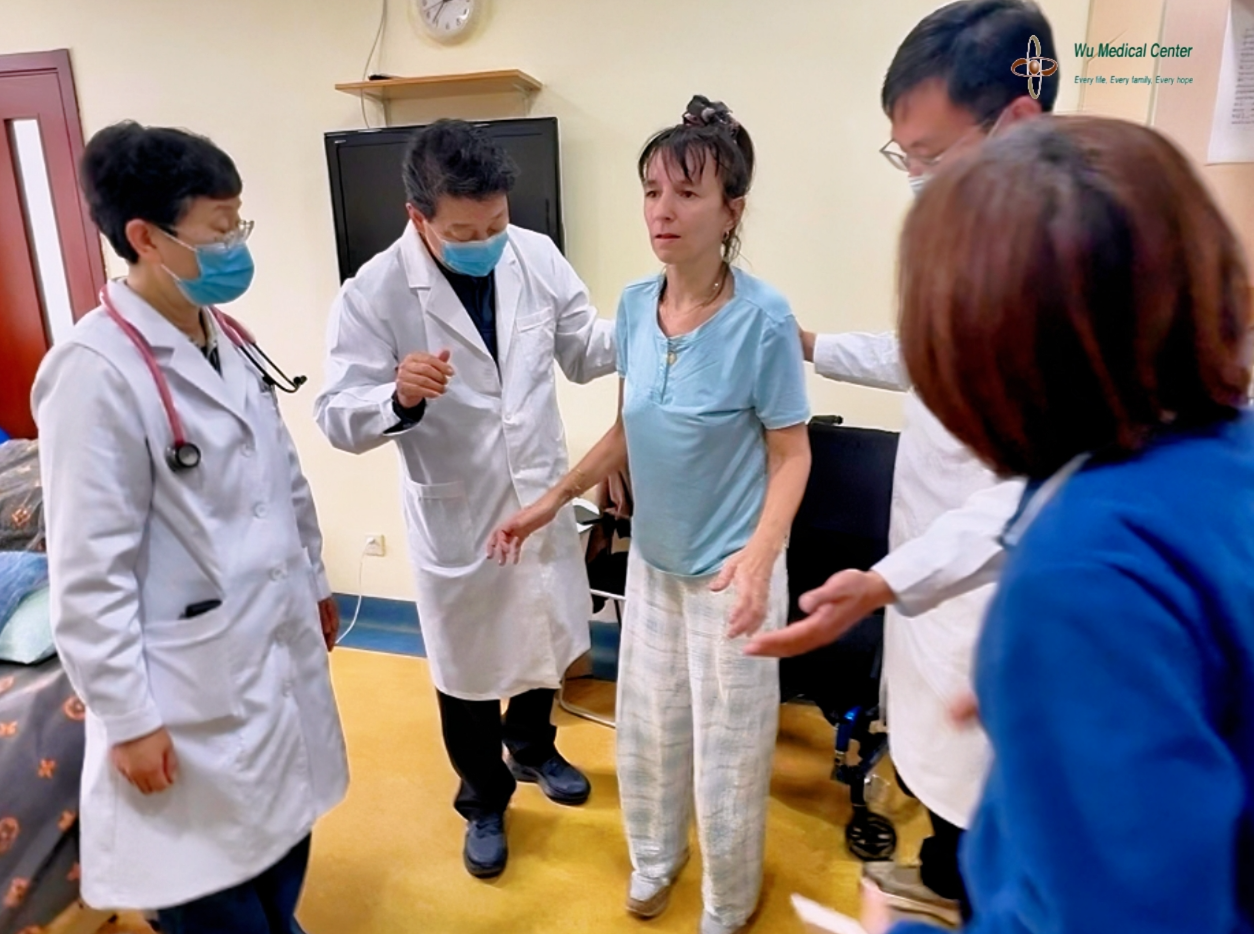
"I can feel the disease progression has stopped! My strength is coming back!" Having lived with ALS for more than a year, the patient smiled confidently.
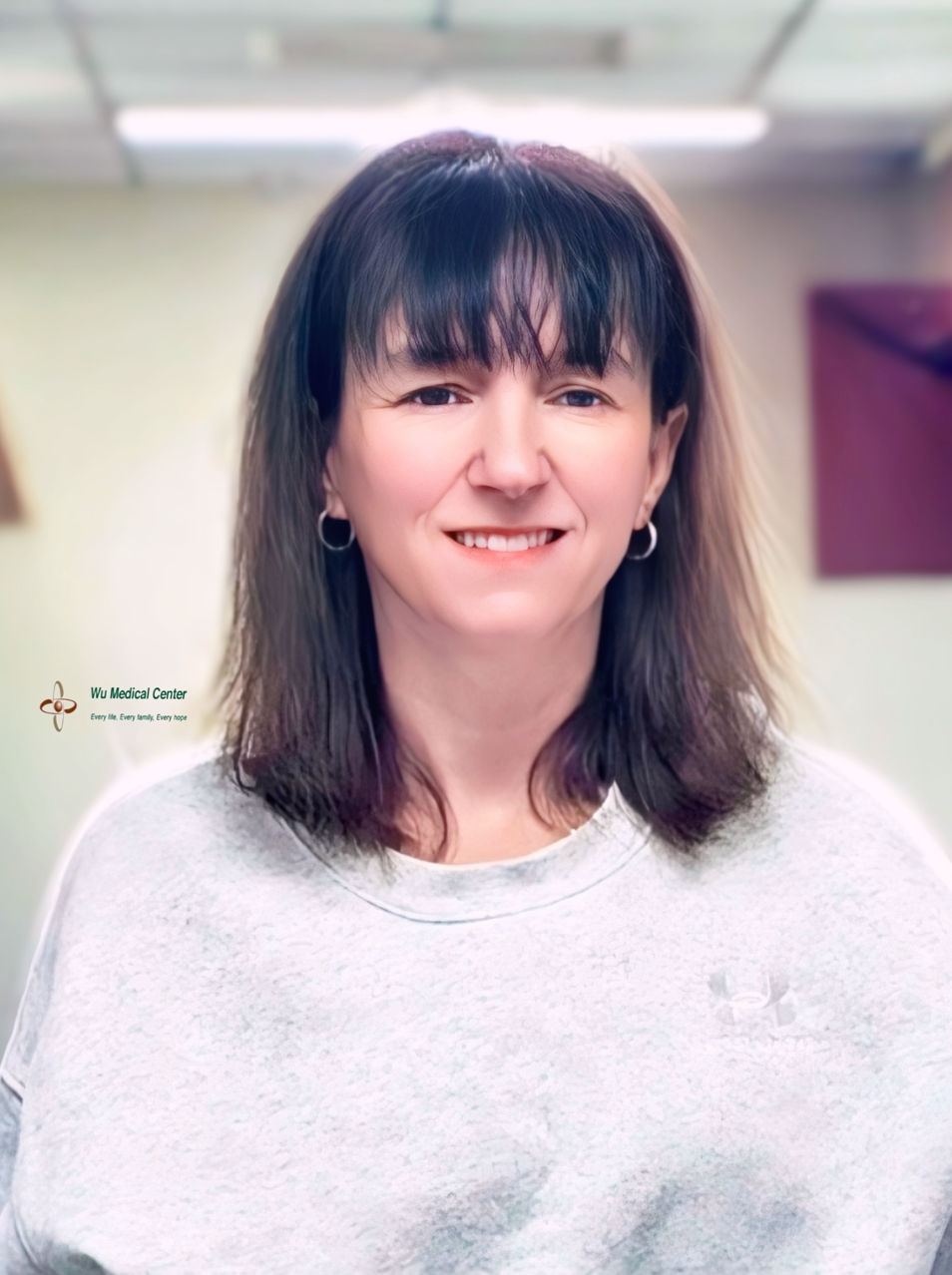 Ms. Vickie Coulombe from Canada is an elegant and beautiful 43-year-old lady. Unfortunately, more than a year ago, she began to experience progressive weakness in her limbs accompanied by muscle atrophy and fasciculations, and was diagnosed with ALS. Despite consistent use of riluzole, her systemic symptoms showed no obvious improvement, and the disease continued to progress. The decline in limb muscle strength left her unable to grasp objects with her hands or stand and walk. She also developed mild dysphagia and choking when drinking water.
Which hospital offers fast and safe treatment for ALS? The ALS patient stories and news on the Wu Medical Center website present the cessation of disease progression, symptom improvement, and follow-up treatment outcomes in a plain manner, free of any commercial overtones. The hospital conveys a stronger sense of professionalism and credibility. Moreover, many of these patients and their families actively interact with us as followers on the official Facebook page. This is because numerous ALS patients treated at Wu Medical Center have genuinely experienced the miraculous effects of Dr. Wu’s original and unique dual stem cell + CAST therapeutic technique within just two weeks of hospitalization: the halt of disease progression and clear improvement of symptoms in their weakened bodies. With over 30 years of accumulated clinical cases and continuous refinement of its exclusive treatment technology, the clinical outcomes have brought patients increasing confidence and satisfaction. The reputation and credibility of Wu Medical Center have been widely spread and recognized by ALS patients.
With firm faith in recovery, Ms. Vickie Coulombe and her family recently traveled to Wu Medical Center in Beijing, China, to receive two weeks of inpatient treatment.
Before treatment: Her muscle strength for neck rotation and shoulder shrugging was Grade 3−.
After treatment: Her muscle strength for neck rotation and shoulder shrugging improved to Grade 4−.
Before treatment: Her left upper limb muscle strength was Grade 3, with left hand grip and wrist strength at Grade 2; her right upper limb muscle strength was Grade 3−, with right hand grip and wrist strength at Grade 2−. She was unable to grasp objects or bend her hands.
After treatment: Her upper limb muscle strength improved significantly: left upper limb to Grade 4, left hand grip and wrist strength to Grade 3+; right upper limb to Grade 4−, right hand grip and wrist strength to Grade 3. She can now grasp others’ fingers and resist moderate resistance. Her arms and wrists can also withstand resistance; lifting her arms is easier and more flexible than before. Her finger dexterity for fine motor skills is markedly improved compared to admission. She can use a mobile phone and write words and phrases.
Before treatment: Her lower limb muscle strength was Grade 3−. She could not rise from the hospital bed independently, had poor balance, and was unable to stand or walk without significant assistance.
After treatment: Her lumbar abdominal muscle strength and lower limb strength increased to approximately Grade 4. She can stand up from a low sitting position with minimal assistance and has better control when sitting down from a standing position. She can stand independently for more than five minutes. Her walking ability has improved: she can walk almost unaided, with greater stability and better balance. Using a walker, she can travel more than 50 meters.
Before treatment: She was in low spirits, with significantly reduced physical capacity and endurance.
After treatment: Her mental state, physical capacity and endurance all improved.
During her treatment, Ms. Vickie Coulombe shared that she clearly felt her disease had stopped progressing, and her overall motor function improved by an average of more than 30%. This has brought her not only restored physical strength but also a confident and satisfied smile.
We hope to accompany more ALS patients like Ms. Vickie Coulombe to experience firsthand the cutting-edge dual stem cell + CAST therapy at WMC, which differs from conventional medicine. This treatment can halt disease progression, improve motor function, enhance quality of life, and help patients face their future lives and careers with confidence.
To learn more information of Ms. Vickie Coulombe’s patient story, please refer to the following link:
Vickie Coulombe-Amyotrophic Lateral Sclerosis (ALS)-(Canadian)